
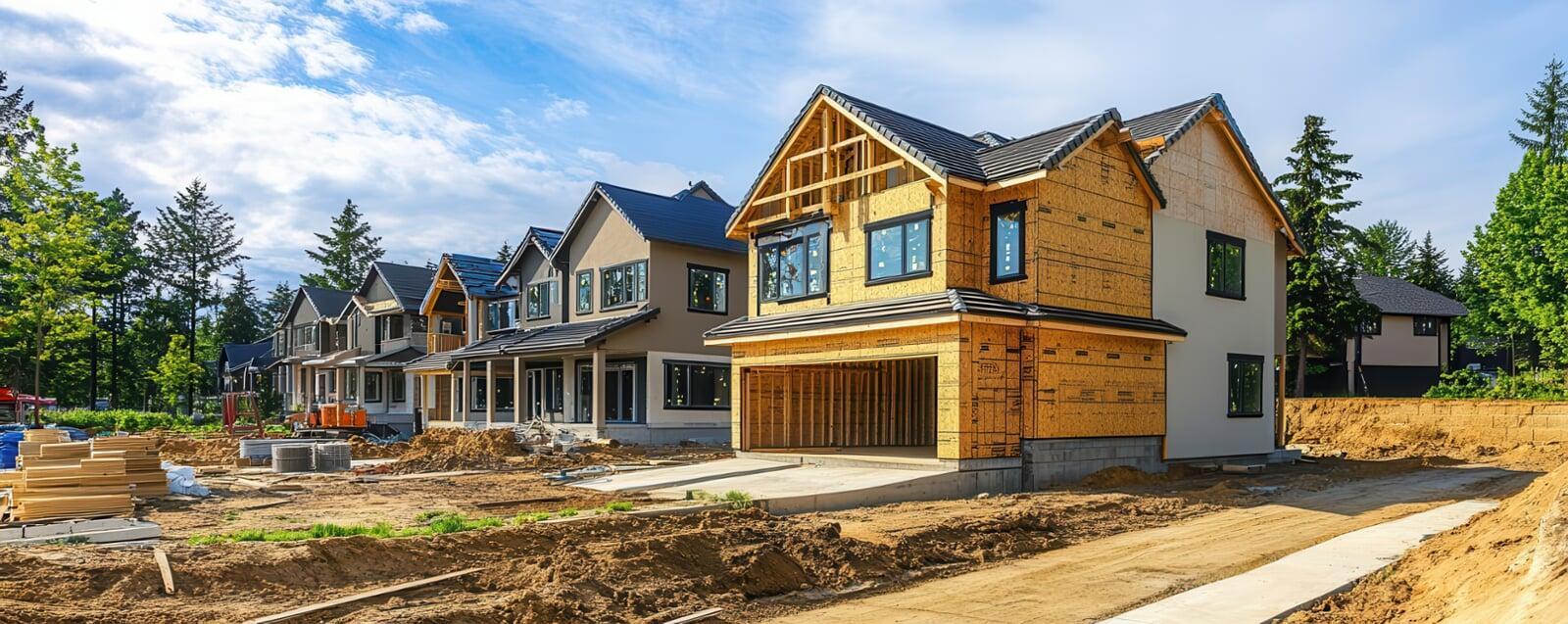
Why Construction Is Happening Here
If you live nearby, you may be wondering what’s being built—and whether development could be possible on your own property.
Construction like this does not happen by accident. It follows zoning analysis, environmental review, utility feasibility, and permitting. When those requirements are satisfied, residential development may proceed under current regulations.
That same process may—or may not—apply to neighboring parcels, depending on their specific zoning, site constraints, and regulatory conditions.
About the Homes Being Built
About the Homes Being Built
The homes being constructed here are fully permitted residential projects, with construction decisions being made directly by the homeowner. By acting as the developer and building only what it costs to construct—rather than purchasing at full market pricing—the homeowner is able to control scope, reduce acquisition premiums, and improve overall project economics.
In some cases, small Detached Accessory Dwelling Units (DADUs) may begin at approximately $100,000 for limited, highly site-specific scopes. More commonly, residential projects—including primary homes, larger DADUs, or combined developments—result in total construction costs ranging from $200,000 to $700,000 or more, depending on site conditions, utilities, and regulatory requirements.
Because the homeowner is investing directly into construction rather than paying market resale pricing, projects like this can result in six-figure equity upon completion, reflecting the difference between build cost and finished market value. This equity is created through planning, permitting, and disciplined execution—not speculation.
These are not low-cost shortcuts or speculative builds. All construction reflects the cost of building responsibly under current zoning, environmental, utility, and building code standards.
For homeowners considering similar projects, financing is often structured around construction-to-permanent loans, ADU-specific lending programs, or development-oriented financing, depending on the project and borrower qualifications. Identifying appropriate financing options is typically part of the feasibility and pre-construction planning process.
What is being built on this property applies only to this parcel and should not be assumed to represent what is possible—or cost-effective—on neighboring lots.
How ADUs and DADUs Expand Housing Options
Many residential construction projects today include Accessory Dwelling Units (ADUs) or Detached ADUs (DADUs) as part of broader efforts to expand housing availability within established neighborhoods.
These additional homes can increase housing supply by creating smaller, more attainable living spaces, supporting multi-generational households, and providing long-term rental options without changing the character of existing neighborhoods.
When properly planned, permitted, and constructed, ADUs and DADUs can also add flexibility to a property by allowing additional, code-compliant residential use under current zoning regulations.
Whether this type of development is possible on any specific lot depends entirely on zoning, site constraints, utilities, and regulatory conditions, and must be evaluated on a property-by-property basis through a structured feasibility review.
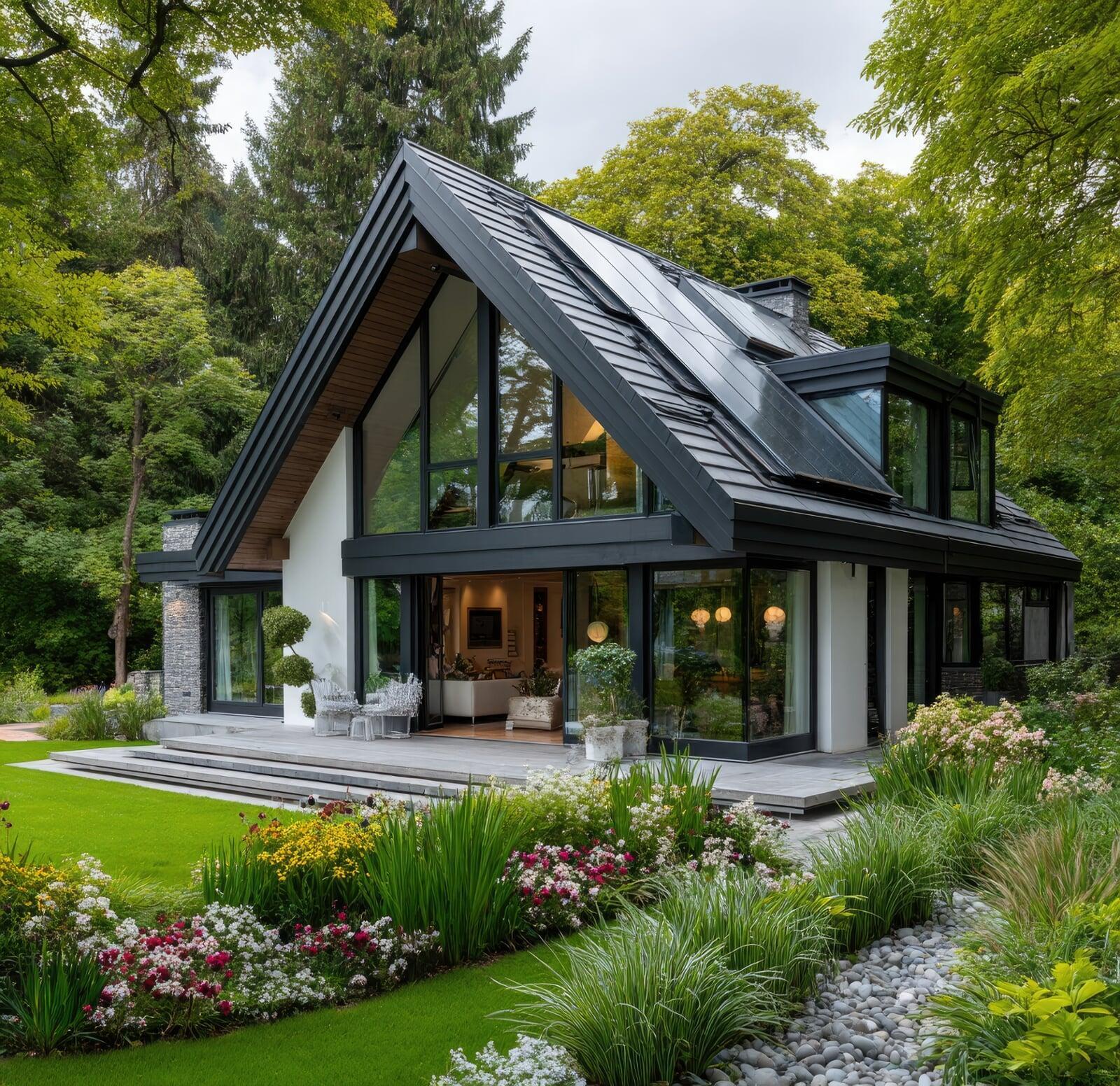
Example of a permitted residential home with additional housing potential. Actual designs and configurations vary by site.
About the Construction Team and Project Oversight
This project is being completed through a permitted residential construction process that includes feasibility review, entitlement, permitting, inspections, and regulatory oversight.
The construction activity visible on site reflects work that has been formally reviewed and approved for this specific property. Oversight includes coordination among licensed professionals, inspectors, and jurisdictional agencies to ensure the project is executed safely and in accordance with approved plans.
The information below is provided for context and transparency. It outlines licensing, certifications, and construction capabilities relevant to residential development projects across Western Washington.
This information is not a solicitation or offer of services, does not represent availability or pricing, and does not guarantee outcomes. All construction activity is subject to feasibility review, permitting, approved scope, inspections, and regulatory approval.
Interested in What May Be Possible on Your Property?
Seeing construction nearby often raises questions about whether similar development could be possible on neighboring lots. That determination depends entirely on zoning, site constraints, utilities, environmental conditions, and regulatory requirements specific to each property.
Street comparisons or nearby construction alone are not reliable indicators.
Understanding what may—or may not—be possible on a particular lot requires a property-specific feasibility review that evaluates those conditions before any decisio
Capability information (below) is provided for general reference only. All construction and development activity is subject to feasibility review, permitting, contract scope, inspections, and regulatory approval.ns are made. Feasibility reviews may determine that development is appropriate—or that it is not advisable under current conditions.
Questions or Concerns About Construction Activity
If you have questions or concerns related to construction activity at this site—such as safety, access, noise, or site conditions—please get in touch with the project team directly so issues can be addressed appropriately.
For property owners who are curious about what may be possible on their own lot, the appropriate first step is a property-specific feasibility review.
The information provided on this website is sourced from publicly available materials and is intended for general informational purposes only. All reviews are cursory, and it is the sole responsibility of the land buyer to verify all details independently. Please note that LandAndPermits.com and RE/MAX Northwest are separate entities; neither endorses nor recommends the other.